
Unpacking The Roles We Learned to Play:
Who Am I When I'm Not Being Someone's Something?
June 25th | 2 Hours | live on zoom | My gift to you
Most of us spend years becoming who life requires us to be.
We learn how to be responsible, dependable, helpful, capable, agreeable, strong, self-sufficient, accommodating, ambitious—or whatever combination earns us belonging, approval, safety, or success.
Over time, those ways of being become so familiar that we stop recognizing them as adaptations and begin experiencing them as identity.
We don't question them because they work.
Until, of course, they don't. Until we find ourselves at a crossroads, wondering why something that once felt so natural now feels restrictive. Wondering why we feel pulled toward something we can't quite name. Wondering who we might be if we were no longer organizing our lives around who we've learned we need to be.

But what if who you believe you are is an adaptation, not identity?
If you're wondering that, then let's explore it together:
Why certain patterns become so familiar that we stop recognizing them as choices and begin experiencing them as who we are
The hidden bargain behind the roles we play — what they help us gain, and what they ultimately cost us
How roles that once supported us can eventually limit our capacity to grow, change, and relate authentically, despite our best efforts
The four primary roles most people learn to play, and how to recognize the one that most often organizes your life
Why letting go of a role can feel far more threatening than it appears on the surface
What becomes possible when we begin distinguishing between who we are and who we've learned to be

You noticed something isn't quite fitting anymore.
If you wonder about who you could be when you say what you mean and mean what you say… perhaps you've noticed yourself:
• Saying yes when something in you wanted to say no
• Reading the room before checking in with yourself
• Feeling responsible for other people's comfort, emotions, or approval
• Staying small so as not to disappoint, disrupt, or offend
• Wondering why a version of your life that looks good on paper doesn't feel as meaningful as you expected
• Questioning identities, responsibilities, or expectations that once fit but no longer do
• Feeling pulled toward something more authentic, even if you can't yet describe what that means
If any of those feel true, join this conversation.
This isn't about becoming someone new.
In my experience, most of us don't need more strategies for becoming better versions of ourselves. We need opportunities to become more aware of the ways we've learned to organize our lives.
When a role lives outside our awareness, it quietly influences how we relate to ourselves, the decisions we make, the relationships we cultivate, and what we believe is possible for us.
Once we can see it, something powerful changes, because awareness creates choice. And choice creates freedom.
My hope is that you'll leave this workshop with a deeper understanding of one of the roles that may be shaping your life, and a greater capacity to distinguish between who you are and who you've learned to be.
I’m Stela and this works matters to me
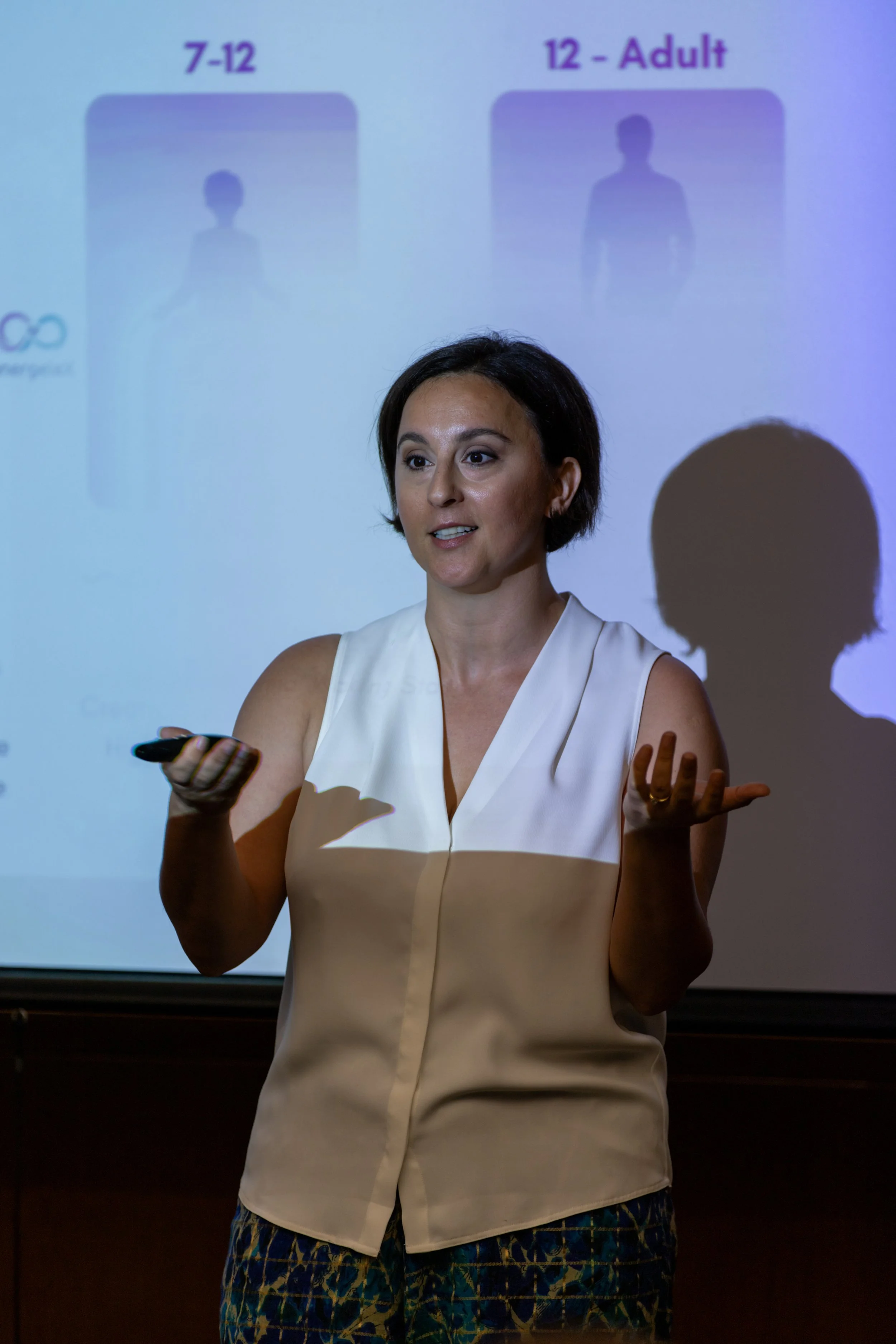
Over the last decade, I've become increasingly fascinated by the ways we learn to become who we believe life requires us to be — and how those adaptations eventually begin to feel like identity, when they're not.
Freeing myself from roles and discovering who I am underneath it all became the catalyst for the life I lead now — from policy analyst to consciousness evolution facilitator.
As Creative Director of the WEL-Systems® Institute, I facilitate workshops, programs, and conversations that help women recognize the patterns, roles, and conditioning that unconsciously shape their lives.
Unpacking The Roles We Learned to Play:
Who Am I When I'm Not Being Someone's Something?
June 25th | 11:00 AM – 1:00 PM EST | Live on Zoom | Complimentary
A replay will be available for all registered participants.
Reserve your spot below.
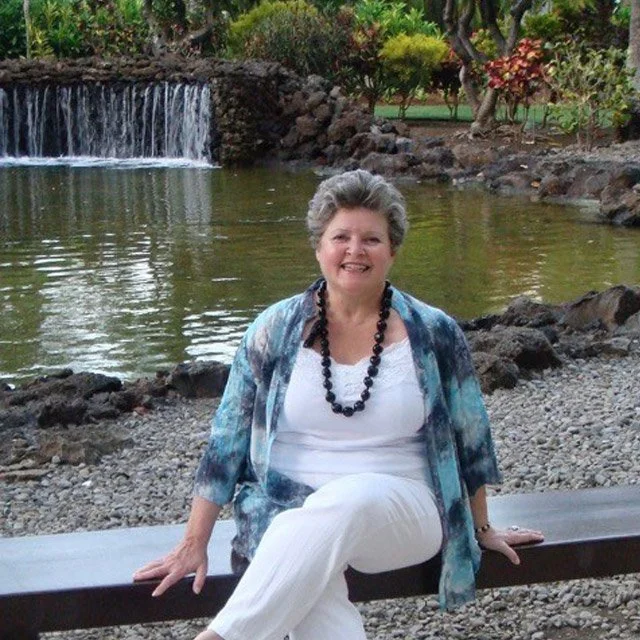
Louise LeBrun, Founder of the Institute
"With a new perspective comes a new realization. With a new realization comes a new choice. With a new choice comes a profoundly different life."